The Ultimate Setup Guide for Your Cloudboom Zone Running Shoe
Introduction
The Cloudboom Zone Running Shoe has become a conversation starter among serious runners and performance-oriented hobbyists. Positioned as a lightweight, race-focused model, it blends modern midsole foams and a stiff propulsion plate to deliver speed and efficiency. This guide explores what makes the Cloudboom Zone distinct, how to set it up for peak performance, and which runners will benefit most from it. The tone is editorial and practical: readers will find an in-depth analysis, real-world use cases, a pros & cons list, a comparison table against comparable race shoes, and a buying guide to help make an informed decision.
Quick specifications (reference)
Specifications are an important shorthand for comparison. The Cloudboom Zone typically advertises a combination of lightweight construction, elevated stack height, and a performance plate. Exact figures vary slightly between model years and sizes, but expected characteristics include:
- Category: Racing / tempo
- Stack height: High (race-oriented stack)
- Midsole: Responsive foam tuned for energy return
- Plate: Carbon or composite propulsion plate
- Weight: Very light for a racing shoe
- Outsole: Durable rubber zones with emphasis on forefoot traction
Detailed product review and analysis
Fit and sizing
The Cloudboom Zone is built for a close, performance-oriented fit. The last tends to be narrower through the midfoot and heel while allowing slightly more room in the forefoot to account for toe splay during long efforts. For runners with wide feet, the recommended approach is to try half a size up or test the shoe with the socks and insoles intended for race day. Many buyers care most about heel lockdown and toe-box comfort: the Cloudboom Zone generally secures the heel well, reducing slippage during aggressive downhill or sprint efforts.
Cushioning and midsole technology
The midsole is the centerpiece of the Cloudboom Zone. The foam grade prioritizes a balance of softness and rebound so that energy from each footstrike carries forward. On rolling terrain or during tempo workouts, the feeling is often described as "propulsive"—the foam compresses and recovers quickly enough to support a fast cadence without feeling dead or overly mushy. For runners transitioning from traditional trainers, the Cloudboom Zone's firmer rebound may feel less cushioned but noticeably faster.
Propulsion plate and ride characteristics
A flat or curved carbon/composite plate embedded in the midsole is a core element. Its role is to stabilize the forefoot while creating a rocker effect that smooths transitions from heel to toe. The plate increases stiffness under load, which benefits runners who maintain higher cadence and efficient toe-off. However, the plate can exaggerate gait inefficiencies; less economical runners or those with heavy heel-strike patterns may find it forces them into an unfamiliar stride. The shoe rewards a midfoot-to-forefoot transition and energetic cadence.
Upper construction and breathability
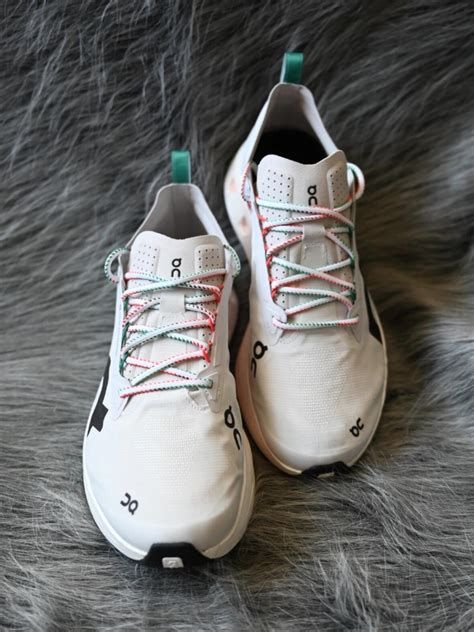
The upper uses a lightweight engineered mesh with targeted reinforcement at high-tension points. Breathability is generally high, which suits long-distance and marathon efforts in warm conditions. The lacing system is standard but effective; minor adjustments in lacing technique can improve fit for narrow or wide feet. Comfort-oriented buyers typically appreciate the seamless overlays and padded tongue, while racers will note the minimal material weight that reduces drag and unnecessary bulk.
Discover deals on Electronics — updated daily.
See Deals →Outsole and traction
Outsole rubber is placed strategically—high-wear zones receive more durable compounds while non-critical areas use lighter materials. This approach cuts weight without overly sacrificing grip. On wet roads or technical surfaces, traction meets reasonable expectations for a racing shoe, though it is not designed for trail runs. The Cloudboom Zone excels on smooth pavement and track work where consistent traction and quick turnover are essential.
Weight, stack height, and stability
The design focuses on keeping mass low while offering a high stack for cushioning and energy return. Higher stack heights can change proprioception—runners accustomed to low-to-the-ground shoes may need an adaptation period. The inherent stiffness from the plate provides lateral stability during fast efforts, but the combination of light weight and high stack may make the shoe feel lively; some runners interpret this as instability until accustomed to the rocker ride.
Durability and expected lifespan
Racing shoes like the Cloudboom Zone are optimized for performance rather than longevity. Typical lifespan depends on mileage, runner weight, and running surface; many buyers report optimal performance for 150–300 miles before noticeable foam degradation. To preserve peak responsiveness, reserve the Cloudboom Zone for key workouts and races rather than daily training. Replacing the shoe before substantial midsole compression preserves both speed and injury prevention advantages.
Performance in real-world use cases
The Cloudboom Zone shows its strengths in several concrete scenarios:
- Marathon racing: For runners chasing personal bests, the shoe's combination of foam and plate supports a faster turnover and efficient long-distance economy when paired with appropriate training and fueling.
- Tempo runs and threshold workouts: Its responsive midsole helps maintain pace over sustained efforts without excessive leg fatigue.
- Short road races and 5K–10K: The minimal weight and propulsion make it suitable for shorter, faster races where quick acceleration and firm toe-off are required.
- Treadmill intervals: The consistent surface translates well, though some may perceive increased noise or stiffness; adequate treadmill cushioning can mitigate that.
Buyers often care about adaptability: the Cloudboom Zone is not a daily trainer but excels when preserved for goal sessions. Triathletes who value quick transitions and speed on the run leg will find the reduced mass and stable plate configuration advantageous, provided they practice open-transition footwork with the shoe.
Setup and break-in recommendations
Setting up the Cloudboom Zone for race-day performance requires small but meaningful choices:
Looking for the best Electronics deals on Amazon?
Browse Now →- Lacing: Use a slightly tighter lacing pattern through the midfoot to improve heel lockdown, and finish off with a runner’s loop if prone to heel slip. For wider feet, skip the final eyelet to reduce forefoot pressure.
- Insoles: Stock insoles are often optimized for weight; switching to a thin performance insole can improve fit for low-volume feet but may increase pressure on the toes. Use custom orthotics only if confirmed compatible with the shoe’s internal volume.
- Socks: Choose thin, low-friction socks that match intended race distances; thicker socks can change fit and increase the risk of hot spots.
- Break-in mileage: Plan 20–40 easy miles before race day to allow the runner’s foot to adapt to the plate and stack height.
- Alternate training: Rotate with a more cushioned daily trainer to reduce cumulative impact stress and prolong the Cloudboom Zone’s effectiveness.
Pros & Cons
- Pros:
- Exceptional propulsion and energy return for race day
- Very lightweight, aiding faster cadence and speed
- Close, performance-oriented fit with effective heel lockdown
- Breathable upper suited to long-distance use in warm weather
- Strategic rubber placement balances grip and weight
- Cons:
- Not designed as a daily trainer—limited lifespan under heavy mileage
- Stiffer ride may be uncomfortable for runners with inefficient gait
- Narrower last can be tight for wide-footed runners without size adjustments
- Higher stack height requires adaptation for some runners
Comparison table: Cloudboom Zone vs. Common Race Alternatives
| Model | Approx. Weight (men's) | Stack Height | Propulsion Plate | Best for |
|---|---|---|---|---|
| Cloudboom Zone | Very light | High | Carbon/composite | Marathon, tempo runs, race day |
| Adizero-type race shoe | Light | High | Carbon plate | Road races 10K–marathon |
| Nike-style marathon racer | Very light | Very high | Full-length carbon plate | Marathon PB attempts |
| Lightweight trainer | Moderate | Medium | No plate | Daily training, long runs |
Buying guide
Who should consider the Cloudboom Zone?
The Cloudboom Zone is best suited to runners who prioritize speed and race-day efficiency. It appeals to:
- Competitive club runners and age-group athletes chasing PRs
- Experienced runners who can maintain proper cadence and midfoot strike
- Triathletes seeking a light, propulsive shoe for the run leg
- Runners who already use plated shoes and want a lighter alternative for shorter races
Who should be cautious?
Runners who should be cautious include those who:
- Require substantial stability or corrective features for pronation
- Have very wide feet and have not tested alternative sizes
- Prefer a plush, trainer-like feel for everyday miles
- Expect a shoe to last as a high-mileage daily trainer
Key considerations before purchasing
- Sizing: Try with race socks and intended insoles. When in doubt, test a half-size up if foot volume is high.
- Purpose: Define whether the shoe will be race-only or used for frequent tempo sessions; this influences durability needs.
- Gait analysis: If available, use a gait lab or running store analysis—plated shoes work best with efficient mechanics.
- Rotation strategy: Plan a shoe rotation that includes a supportive trainer to reduce wear and impact exposure.
- Break-in plan: Reserve at least two weeks and 20–40 miles of light use before committing to race day.
Practical setup tips
For race day and high-stakes efforts, setup tweaks improve comfort and performance:
- Pre-heat or pre-condition socks to ensure minimal shrink and consistent fit.
- Use a heel lock (runner’s loop) if preparing for downhill segments or sprint finishes.
- Consider a thin index insole for extra metatarsal support if the forefoot feels sparse.
- Mark expected lacing tension and practice consistent lacing pattern in training to avoid blisters.
Conclusion
The Cloudboom Zone Running Shoe represents a focused effort to marry low mass with aggressive propulsion. It rewards efficient form, higher cadence, and strategic use—delivering measurable benefits on race day and during tempo work. Buyers who prioritize speed over everyday durability will find the shoe compelling, while less experienced runners should approach it with an adaptation plan and a trainer rotation strategy. By carefully considering sizing, lacing, and intended use, the Cloudboom Zone can be an effective tool in a runner’s kit: a precision instrument designed to convert training into faster results when set up thoughtfully and used appropriately.